
Car Maintenance Tips to Keep You Road Ready
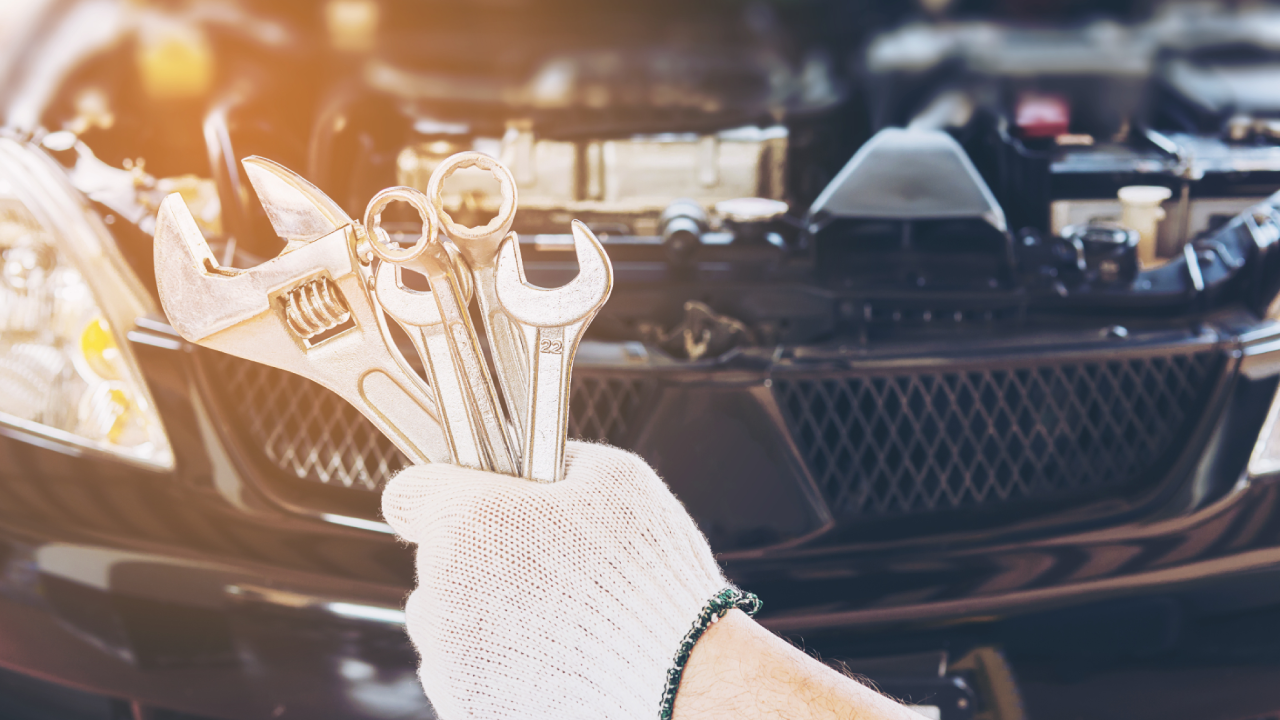
Keeping a car road ready is part craft, part regimen. It’s also peace of mind. With purposeful habits and a few simple tools, breakdowns become rarer and journeys more enjoyable. Below is a practical, slightly technical, and easy-to-follow Car maintenance checklist essentials that helps drivers stay proactive rather than reactive.
Daily & Weekly Checks: Small Rituals, Big Returns
Start with micro-inspections. Walk around the vehicle and look for obvious leaks, flat tires, or loose trim. Check tire pressure with a gauge before long trips. Verify that lights—headlamps, brake lights, indicators—function. Short sentence. These small routines are the backbone of Routine car inspection tips: visual checks that cost nothing but time and that prevent many roadside embarrassments.
Keep windshield washer fluid topped up and wipers in good condition. Replace blades if streaking starts or if rubber shows signs of micro-cracking. Inspect mirrors and windows for chips and cracks that can propagate into costly replacements.
Fluids, Filters, and the Engine’s Health
Fluid stewardship is central to longevity. Engine oil lubricates via hydrodynamic films; change it per manufacturer intervals or sooner under severe service. Use the correct viscosity and quality grade. Transmission and differential fluids require periodic inspection and, when contaminated, timely replacement. Brake fluid is hygroscopic—meaning it absorbs moisture—so bleed and replace it as recommended to prevent vapor-induced brake fade.
Air and cabin filters are inexpensive yet high-impact. A clean air filter improves combustion efficiency; a clogged one reduces power and economy. Cabin filters preserve HVAC performance and interior air quality. These items are core items in any Preventive maintenance guide.
Tires, Suspension, and Alignment: The Traction Trinity
Tires are the only contact patch between car and road. Rotate tires regularly to ensure even wear and extend their life. Inspect tread depth and look for sidewall bulges or embedded objects. Maintain correct tire pressure by considering load and temperature variations—pressure will change with ambient temperature and driving conditions.
Suspension components—bushings, ball joints, struts—affect handling and safety. Listen for clunks and note uneven tire wear; both are diagnostic signals. Wheel alignment and balancing are small investments that stabilize steering response and reduce premature tire degradation.
Brakes and Stopping Power
Brake systems demand reverence. Inspect pads and rotors for wear and scoring. Replace pads before they reach minimum thickness to protect rotors. Listen for squeal indicators and feel for pulsation that signals warped rotors. Regular inspection of calipers, hoses, and the parking brake mechanism completes the picture of Vehicle safety and care.
Battery, Charging, and Electrical Systems
Modern cars are electrical ecosystems. Battery health declines via electrochemical degradation, so test cranking amps and inspect terminals for corrosion. Keep battery mounts secure and apply terminal protectant when needed. Alternator output should be checked if dimming lights or accessory malfunctions occur. For vehicles with start-stop systems or heavy accessory loads, consider more frequent checks.
Belts, Hoses, and Ancillary Systems
Drive belts and hoses age visibly: cracking, glazing, or soft spots signal imminent failure. Replace according to interval or at first appearance of deterioration. Cooling systems require attention—flush the radiator per schedule, inspect for leaks, and ensure proper coolant concentration to avoid cavitation and freeze damage in cold climates.
Seasonal & Long-Term Preparations
Prepare for seasons. In hot months, verify coolant, AC performance, and inspect condenser fins for debris. In cold climates, test heaters, inspect for blockages, and consider winter tires. Long-term storage requires fuel stabilizer, battery maintenance (float charging or disconnecting), and secure placement under cover to limit UV and moisture exposure.
Tools, Documentation, and Emergency Readiness
Carry a compact toolkit: jack, lug wrench, tire pressure gauge, flashlight, jumper cables, tow strap, and basic hand tools. Pack an emergency kit that includes water, a blanket, reflective triangles, and a first-aid kit. Keep a logbook or digital record of maintenance events and receipts. Documentation supports warranty claims and helps you track patterns—useful when diagnosing recurring issues.
Short sentence. Long sentence: the habit of logging maintenance turns anecdote into data and intuition into a replicable protocol.
When to See a Professional
Some tasks are DIY-friendly; others require trained technicians and specialized tools. If you encounter persistent warning lights, transmission slippage, unexplained coolant loss, or electrical gremlins, consult a qualified shop. Use certified technicians for complex systems—airbags, ABS, and advanced driver-assistance systems (ADAS)—to maintain calibration and safety integrity.
Closing Checklist: Quick Reference
- Check tire pressure and tread weekly.
- Inspect lights and wipers before every long trip.
- Change oil and filters per schedule; check other fluids monthly.
- Rotate tires and check alignment every 6–12 months.
- Test battery and charging system seasonally.
- Replace belts, hoses, and brake components at first sign of wear.
- Keep emergency kit and tools in the trunk.
- Log all maintenance and service events.
Routine attention makes a car more reliable, safer, and often cheaper to operate over time. These Car maintenance checklist essentials, combined with Routine car inspection tips, will embed Vehicle safety and care into daily habits. Apply this Preventive maintenance guide and the road becomes less of an adversary and more of an invitation.